
Top 10 Safety Tips to Follow During Your Next Visit to India
A travel to India is one such thing that you will cherish for your entire lifetime. However, the initial thought of visiting it undoubtedly raises some severe safety questions in our heads. If you are one of these people, do not worry. Even the most seasoned travelers think of such issues. Those who have been to India know that a little bit of preparation and follow some safety tips that help you go a long way here. But, if you have never visited it, you need not be scared.
Here is our well-devised list of some of the safety measures that you should follow when in India.
1. Memorize Your Accommodation Address

When planning a trip, finding cheap flight deals to India from the USA is not the only thing you need to do. You should look for an excellent and affordable accommodation too.
Once you decide your place of stay in India, you need to make an effort to memorize it as well. Also, make sure to write it down in your phone’s notes, both in English and the native language.
Furthermore, you can note it down in a small notepad as your phone’s battery can die too.
Doing so will ensure that you reach your rental place or hotel safely every time you are out to explore the city.
If you visit India with your family or a group of friends, make sure that everyone should do the same.
2. Avoid Going Out Alone At Night

Nightlife in India can be great too. From themed bars and discotheques to concept restaurants, there are plenty of options to explore at night. However, going out alone at night anywhere is not a good idea.
Therefore, instead of a night out alone, opt to go out with friends or family. Not only is it safe but also more fun. Also, make sure to avoid non-tourist or dark areas at night.
In case you are walking alone at night, try to stay on the roads with more people.
Further, if there are very few people on the street, try to walk on the side with more people. Follow this, and you are sure to remain safe.
3. Get Travel Insurance
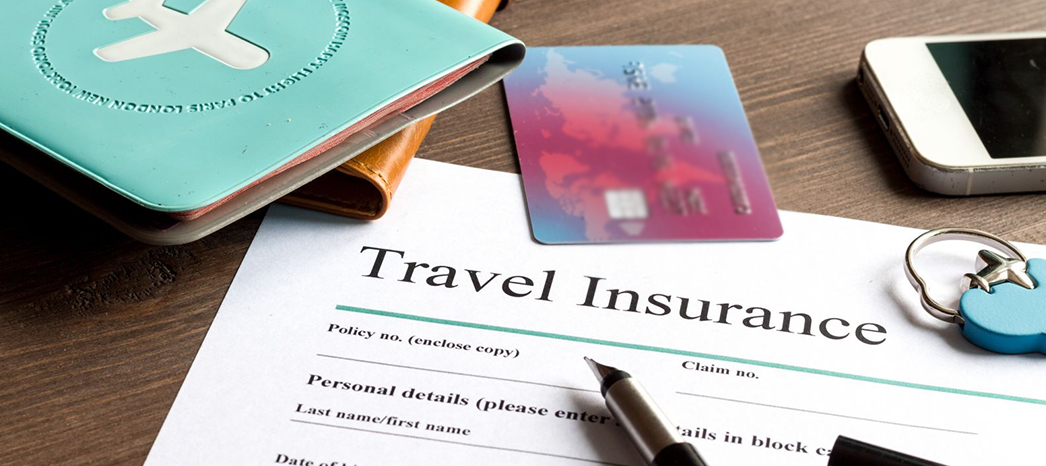
It is always a good idea to buy travel insurance. In case your insurance does not cover you overseas travel already, consider getting one.
Usually, people tend to get sick when traveling abroad. During these times, travel insurance comes handy.
So, next time you go for online air ticket booking, make sure to check the travel insurance box too.
Thus, if you get injured or sick overseas and have to pay medical costs, you can use your insurance.
4. Stay Connected With Your Family

Always make sure to keep your family and friends updated about where you are. It will not just keep them sane but also assure you that somebody somewhere knows about your whereabouts.
Thus, get a local SIM card as soon as you reach India. Also, this will help you get constant access to the internet facility.
If you are going to big/metro cities like Delhi and Mumbai, all the networks work well there. However, this may not be the same in the case of small towns.
Therefore, make sure to research thoroughly before buying a SIM. We are confident that you want the best connectivity to stay in touch with your loved ones.
5. Learn To Say “No”

You will find street hawkers at every nook and corner of India. Also, there are tour guides and taxi drivers at all the famous spots. They are sure to approach you with full intensity to sell their services.
During such situations, you should firmly say a “no.” This is the best method to get rid of them without being rude. Also, your tone and body language should reflect confidence.
Further, try not to look flustered and unnerved. It will prevent these people from pursuing you more.
Also, make sure to avoid talking to these people rudely. This is because it can give rise to unnecessary circumstances.
6. Always Stay Alert

Whether it is finding cheap last minute airfare to India or staying safe there, alertness is the key. Thus, along with avoiding unsafe areas, you need to remain attentive too.
If case you feel like you are being followed, look around for help or a secure place. Also, you can go to a hotel that’s not yours. Ask for help here.
However, avoid going to where you are staying during such circumstances.
Further, always look out for your stuff when at public places. Always keep your cash in more than one location in case you lose some. Also, when out for a night out, never leave your food or drink unattended.
7. Keep Updated With the Emergency Phone Numbers

As soon as you book tickets to India, make it a priority to look for all the emergency phone numbers used there. These will come handy in case of a tragedy.
Thus, always make sure to keep the police contact details close at hand. Also, stay updated about all public transport helplines and other support numbers. You also need to know who to contact in case a medical emergency arises.
Furthermore, in case you are a solo women traveler, you need to know the women helpline as well. Also, along with saving these numbers in your phone, jot them down in your notepad as well.
8. Watch What You Eat

Being safe in India does not always mean tackling criminals. You need to look after your health as well. Therefore, it is necessary to take care of your diet and watch out whatever you consume here.
If you are new to Indian food, avoid such dishes that are too spicy. Also, do not buy food from street vendors who use tap water for cooking. Make sure not to purchase from street-side juice shops. Always opt for hygienic places like restaurants.
However, you do not have to stay away from the finger-licking and delicious street food completely. Just check basic hygiene before indulging in these, and you are good to go.
9. Do Not Trust Strangers
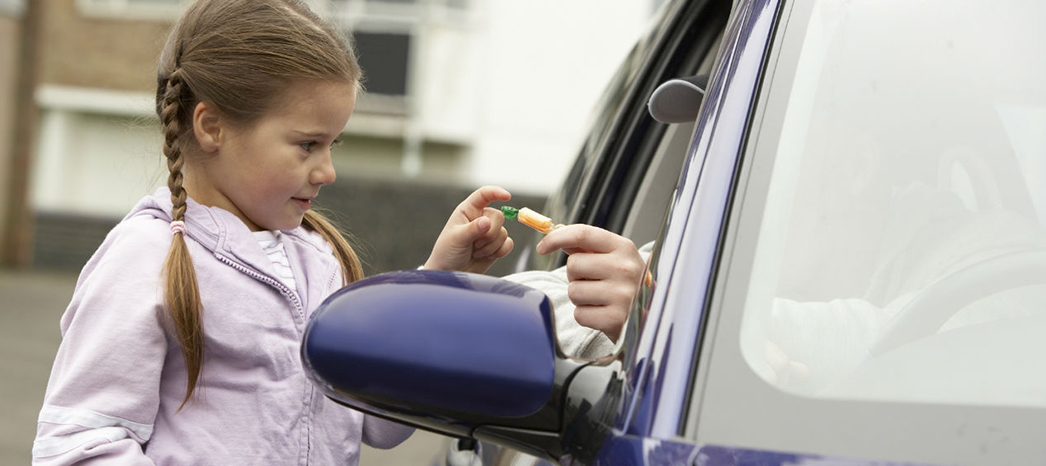
In India or anywhere, follow the rule of never trusting a stranger. Also, do not assume that it is safe to trust a woman or a juvenile.
Many people use women and juveniles to commit crimes. They do not look threatening. Thus, people easily trust them. As harmless as they may seem, they may be a possible threat to you. Therefore, always keep your guards up.
Further, make sure to be confident when dealing with a stranger. Never accept free rides, eatables, or drinks from anyone.
10. Trust Your Gut

The best thing you can do to stay safe anywhere is by trusting your gut feeling. It is never wrong. Thus, if you feel something is wrong, take the required measures immediately.
Also, if you find the person you are talking to strange, you can use white lies. In case you are all alone, do not tell it to others. You can say that your family or friends are nearby. Never seem vulnerable in front of anyone as people tend to take advantage of it.
This all might sound a bit scary. However, these tips are just to get through unwanted or worst-case scenarios. Thus, the next time you book flight tickets from India to the USA, make sure to follow these tips to stay safe. Not only from USA, if you want to book your direct tickets from Canada to India then check out flyopedia.ca for more flight deals.